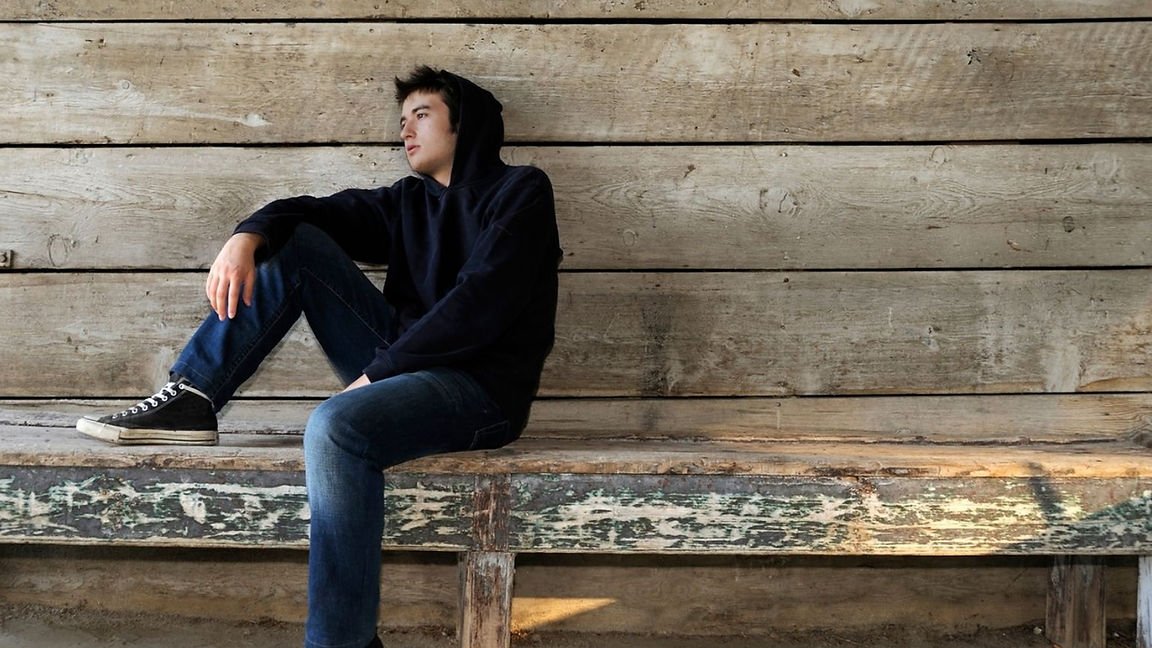
Loneliness doesn’t care how full your room is.
April 7, 2026 · 2 Minutes · Loneliness & Belonging
It’s usually the phone that does it. You’re scrolling through a group chat or looking at photos from a dinner you were just at, and you realize how completely disconnected you feel from the person standing next to you in the picture.
You have the friends. You have the people you can text. But when you actually need to talk to someone about what’s bringing you down, you realize you have no one you feel safe reaching out to. So you show up, you make the jokes, you listen to their problems, and you keep your own mess tucked away because you don’t want to be seen as "not alright."
But when you only show people the filtered, stable version of yourself, you’re basically lying to your own brain. Even if they tell you they love you, a part of you doesn't believe them. You think: They love the version of me I’m showing them, but if they saw the 2:00 AM version, they’d leave.
It’s exhausting being a great actor.
It’s easy for people to say "just be more vulnerable," but vulnerability feels dangerous when you have everything to lose. So you stay quiet, but the more you stay quiet, the more distant you become.
Most of the people around you are feeling the same way you are. They’re waiting for someone else to break the ice first. When you open up, even just a little, you usually end up opening a door for them to do the same. It’s how a "friendship" becomes a real connection.
What if the next time someone asks how you're doing, you don't automatically say "Good!" but instead try: "Honestly, I've had a really long week. I'm a bit tired." That's it. It's a tiny crack in the mask, but it's the beginning of opening the door that helps you feel freer and less alone.